
Playground Basketball How to Lob: Controls and Self-Lob Guide
To throw a lob in Playground Basketball, hold your pass input while aiming toward a cutting teammate, or press the dedicated self-lob key on keyboard to finish an aerial play at the rim.
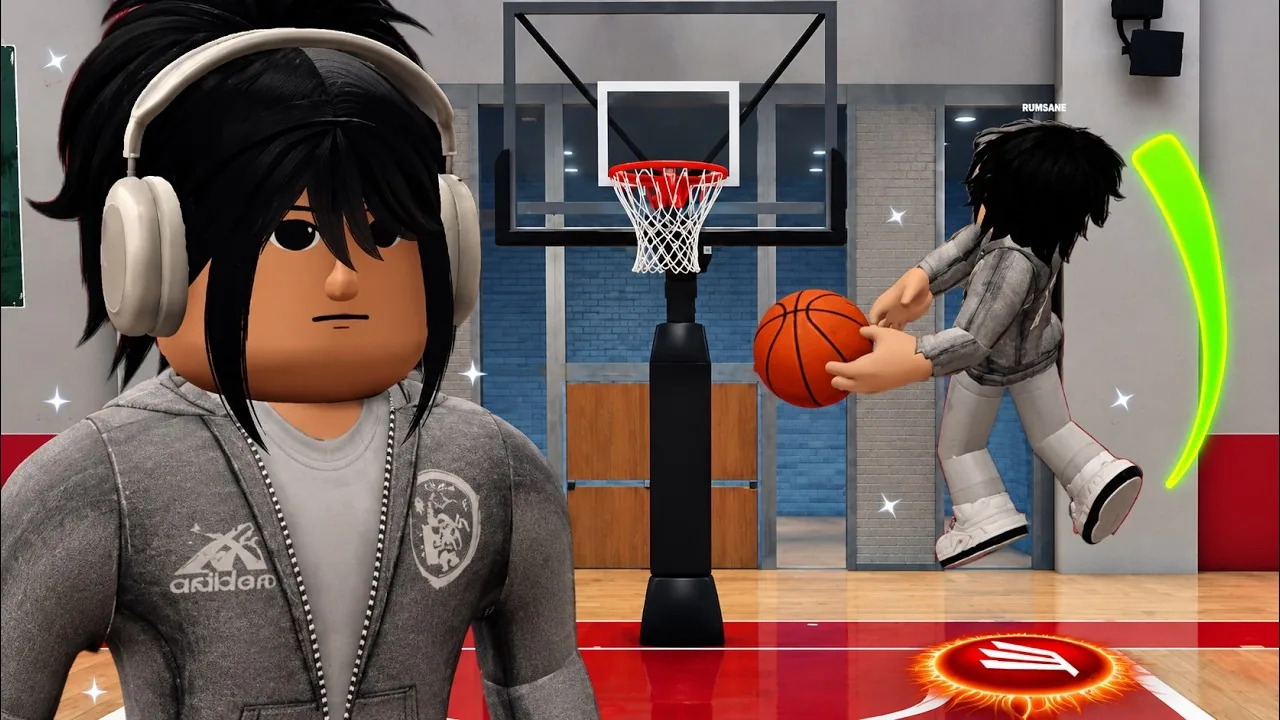
To throw a lob in Playground Basketball, hold your pass input while aiming toward a cutting teammate, or press the dedicated self-lob key on keyboard to finish an aerial play at the rim.
Lob Pass Inputs and Execution
Executing an aerial pass over contesting defenders requires altering the standard passing motion. On keyboard controls, standard ball distribution relies on the pass key, while a teammate lob requires holding down the pass button (such as Q) rather than tapping it. Maintaining input gives the throw higher trajectory so the ball arcs over defensive perimeter hands. Angling your camera slightly upward toward the target helps the tracking system recognize the aerial path.
Self-lobs allow ball handlers to initiate their own rim-running finishes. In gameplay testing by creators exploring updated mechanics, pressing F on a keyboard triggers an immediate self-lob toss off the floor toward the hoop. When using a controller, players initiate self-lobs by double-tapping the lob or pass input while driving into open paint.
A clean lob conversion also depends on offensive finisher ratings. Finishing a lob with a dunk is heavily tied to driving dunk ratings, where having at least a 60 driving dunk gives players a consistent chance to trigger aerial throwdown animations rather than getting stuck in standard contest animations. Players refining their rim finishes can review how to dunk to understand dunk package requirements.
| Lob Action | Input Method | Best Court Situation | What It Requires |
|---|---|---|---|
| Teammate Lob Pass | Hold pass button (Q on keyboard) while directing aim toward the rim | Half-court sets when a teammate cuts behind a sagging defender | Clear passing lane, spacing from target, and strict release timing |
| Keyboard Self-Lob | Press F while driving toward the basket | Fast-break transitions or 1v1 isolations with open paint | High driving dunk attribute (60+) to finish over the rim |
| Controller Self-Lob | Double-tap pass input during forward drive | ISO drives against perimeter guards lacking rim protection | Uncontested approach lane and adequate stamina |
Timing and Floor Spacing
Throwing an aerial pass directly next to a teammate causes the ball to register as a basic chest pass or creates a collision turnover. Maintain distance between the handler and the cutter so the ball can clear the defender's reach.
Release the pass button right as your teammate begins accelerating toward the restricted area. The ball must arrive in stride. Throwing too early forces the cutter to stop momentum, allowing recovering rim defenders to contest the attempt. Throwing too late carries the pass over the backboard or out of bounds.
Defense heavily influences pass trajectory. When opponents run tight man-to-man defense or stack badges such as gold clamps, attempting an aerial pass through traffic often triggers loose balls or foul animations. Recognizing defensive positioning covered in how to defend helps passers identify when off-ball rim runners have genuine separation.
Self-Lob Rules and Finishing Limitations
Self-lobs function strictly as dunk opportunities in Playground Basketball. In-game testing demonstrates that catching a self-lob into a layup animation does not trigger; the ball handler either elevates for a dunk finish or the sequence results in an incomplete play.
Because self-lobs do not branch into layups, attribute distribution determines success. Pure playmakers or low-finishing guards without sufficient driving dunk ratings will struggle to complete self-lobs consistently. Hybrid setups like a slashing playmaker or athletic wings with solid physicals perform far better on aerial attempts, as detailed in the best PG build analysis.
Pairing self-lobs with setup moves creates cleaner running lanes. Shifting an on-ball defender with a stepback, snatchback, or crossover gives ball handlers the space required to press the self-lob command without encountering body bumps. Ball handlers can practice setup techniques in the how to dribble breakdown to generate open angles before tossing the ball upward.